With climate change and sustainability taking center stage globally, careers in environmental management have never been more critical—or more promising.
If you’re passionate about making a tangible impact while building a rewarding professional path, now is the perfect time to dive in. In this post, I’ll share insider tips and proven strategies that have helped many thrive in this dynamic field.
Whether you’re just starting out or looking to elevate your existing career, these insights will guide you toward success. Let’s explore how you can turn your environmental passion into a thriving career.
Building a Strong Foundation with Relevant Education and Certifications
Choosing the Right Degree Programs
When I first explored environmental management careers, I quickly realized that having a solid educational background is crucial. Degrees in environmental science, sustainability, or natural resource management provide essential knowledge about ecosystems, regulations, and sustainability practices.
But don’t just focus on the degree title—look for programs that blend theory with practical experience like internships or lab work. Schools that offer interdisciplinary courses combining policy, business, and science tend to produce well-rounded candidates ready for real-world challenges.
This approach helped me understand how environmental issues intersect with economic and social factors, which employers highly value.
Certifications That Boost Your Credibility
Certifications can be a game-changer when you want to stand out in this competitive field. For example, becoming a Certified Environmental Professional (CEP) or obtaining a LEED Green Associate credential demonstrates your commitment and expertise.
From personal experience, I found that these certifications not only enhance my resume but also expand my professional network. They show employers that you’re serious about staying current with industry standards and best practices.
Plus, many of these certifications offer continuing education, which keeps your skills sharp as regulations and technologies evolve.
Leveraging Online Courses and Workshops
Even if you’re juggling a job or other commitments, online courses can fill critical gaps in your knowledge. Platforms like Coursera and edX offer specialized classes in climate policy, renewable energy, and sustainable business strategies.
I once enrolled in a course on environmental data analysis, which proved invaluable when I had to interpret complex reports for my employer. These flexible learning options allow you to tailor your education to your career goals, helping you stay competitive without interrupting your workflow.
Gaining Practical Experience through Internships and Volunteering
Why Hands-On Experience Matters
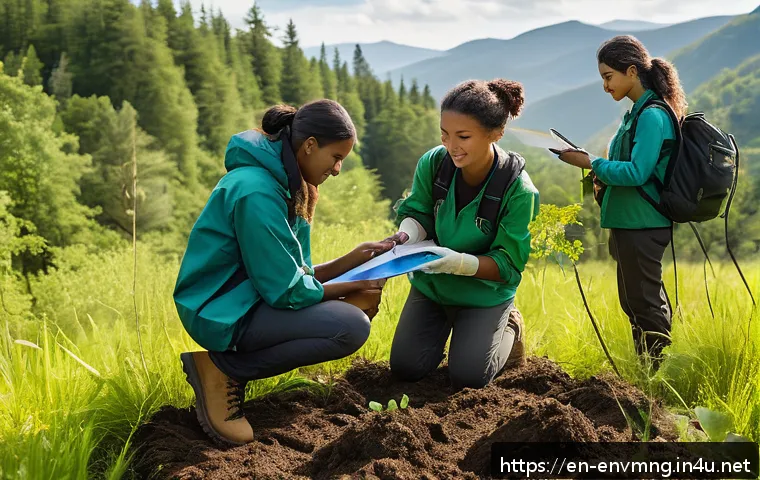
Theory alone won’t get you very far in environmental management. When I started volunteering for a local conservation group, I gained firsthand insight into habitat restoration and community engagement.
This kind of practical experience is what employers look for because it proves you can apply your knowledge effectively. Whether it’s conducting field surveys, assisting with sustainability audits, or organizing awareness campaigns, these activities build your skills and confidence.
Finding the Right Internship Opportunities
Internships can be a gateway to full-time roles, but the key is to choose placements that align with your interests and career aspirations. I recommend targeting organizations with strong environmental missions, such as government agencies, NGOs, or companies with robust sustainability programs.
Don’t hesitate to reach out directly, even if no formal internships are advertised—you might be surprised how many organizations appreciate proactive candidates.
During my first internship, I was given meaningful projects that directly impacted local environmental policies, which was both motivating and a great resume booster.
Volunteering Beyond Your Comfort Zone
Volunteering isn’t just about padding your CV; it’s about growing as a professional and a person. I once volunteered for an urban tree planting initiative, which exposed me to community dynamics and urban environmental challenges I hadn’t considered before.
These experiences teach you adaptability, teamwork, and problem-solving—skills that are transferable to any environmental management role. Plus, volunteering often connects you with passionate individuals who can become mentors or collaborators.
Developing Key Skills for Environmental Management Success
Technical Skills That Employers Value
From my experience, mastering technical tools such as Geographic Information Systems (GIS), environmental impact assessment software, and data analysis platforms significantly elevates your profile.
These tools allow you to analyze environmental data and make informed decisions. Learning to communicate complex data in simple terms also impressed my supervisors, as it helped bridge gaps between technical teams and stakeholders.
Don’t overlook project management skills either; knowing how to coordinate resources and timelines is critical for implementing sustainability initiatives.
Soft Skills That Make a Difference
While technical knowledge is vital, soft skills often determine how far you progress. I’ve found that effective communication, negotiation, and leadership skills are indispensable in this field.
For example, you’ll often need to persuade diverse groups—government officials, businesses, or local communities—to support environmental projects. Being empathetic and culturally aware can help you navigate conflicts and foster collaboration.
These interpersonal skills are often honed through experience, so seek opportunities to practice them in varied settings.
Continuous Learning and Adaptability
The environmental sector is always evolving due to new regulations, technologies, and global trends. I make it a point to stay updated through industry publications, webinars, and conferences.
This habit has helped me anticipate shifts and adapt my strategies accordingly. Employers appreciate candidates who demonstrate curiosity and resilience because sustainability challenges require innovative and flexible solutions.
Networking and Building Industry Connections
Joining Professional Associations
Becoming a member of organizations like the National Association of Environmental Professionals or the International Society of Sustainability Professionals can open many doors.
These groups offer access to job boards, mentorship programs, and exclusive events. When I joined a local chapter, I met seasoned professionals who shared valuable advice and job leads.
These connections often lead to collaborations and can accelerate your career growth.
Attending Conferences and Workshops
Conferences are not just about learning—they’re prime networking opportunities. At one sustainability conference I attended, a casual conversation with a speaker led to a consulting gig that jumpstarted my career.
Don’t be shy about introducing yourself, asking questions, or exchanging contact info. Preparing a brief personal pitch about your interests and skills can help you make memorable impressions.
Utilizing Social Media and Online Communities
LinkedIn and specialized forums like GreenBiz or Environmental Career Opportunities are excellent platforms to showcase your expertise and connect with industry leaders.
I often share articles and comment on trends, which has helped me establish a professional presence. Engaging in discussions and joining relevant groups can also keep you informed and visible to recruiters.
Understanding the Landscape: Job Roles and Growth Areas
Diverse Career Paths in Environmental Management
Environmental management isn’t a one-size-fits-all field. You might find yourself working as an environmental consultant, sustainability analyst, compliance officer, or corporate social responsibility manager.
Each role has distinct responsibilities and skill requirements, so exploring job descriptions and talking to professionals can clarify which path suits you best.
My own journey shifted from fieldwork to policy analysis, which broadened my impact and career prospects.
Emerging Sectors with High Demand
Renewable energy, climate resilience planning, and circular economy initiatives are among the fastest-growing areas. Companies and governments are investing heavily here, creating numerous job openings.
Staying informed about these trends can help you position yourself strategically. For instance, I pursued additional training in renewable energy systems after noticing its rising importance, which opened up new opportunities.
Salary Expectations and Advancement Opportunities
Salaries in environmental management vary widely depending on your role, location, and experience. Entry-level positions might start modestly, but with expertise and certifications, mid-career professionals can command competitive pay.
Leadership roles and specialized consulting often offer the highest rewards. Below is a quick overview of average salaries in key positions across the US to give you a realistic picture.
| Position | Average Salary (USD) | Typical Experience Required | Key Skills |
|---|---|---|---|
| Environmental Consultant | $60,000 – $85,000 | 1-3 years | Data analysis, regulatory knowledge, communication |
| Sustainability Analyst | $55,000 – $75,000 | 2-4 years | Research, reporting, project management |
| Compliance Officer | $65,000 – $90,000 | 3-5 years | Regulatory expertise, auditing, negotiation |
| Corporate Social Responsibility Manager | $80,000 – $120,000 | 5+ years | Leadership, strategic planning, stakeholder engagement |
| Renewable Energy Specialist | $70,000 – $95,000 | 3-6 years | Technical knowledge, policy, innovation |
Mastering Job Search Strategies Tailored for Environmental Careers
Crafting a Targeted Resume and Cover Letter
When I started applying for environmental roles, tailoring my resume to highlight relevant skills and achievements made a huge difference. Focus on measurable impacts like reduced waste or successful project completions rather than generic duties.
Your cover letter should tell a compelling story about your passion for sustainability and how your background aligns with the employer’s mission. Personalizing each application shows genuine interest, which recruiters appreciate.
Preparing for Interviews with Confidence
Environmental job interviews often include scenario-based questions and discussions about current issues. I found that researching the company’s sustainability initiatives and recent projects helped me answer questions thoughtfully.
Practicing clear, concise responses and sharing specific examples from your experience can set you apart. Also, be ready to discuss how you handle challenges like budget constraints or conflicting stakeholder interests.
Leveraging Internships and Networking Leads
Many environmental jobs come through referrals or internal recommendations. Don’t hesitate to ask your contacts for introductions or advice on openings.
Internships can sometimes convert into full-time positions, so treat them as mini-job interviews by demonstrating your work ethic and enthusiasm. I once landed a permanent role after an internship simply by showing initiative and eagerness to learn beyond my assigned tasks.
Continuing Growth: Staying Relevant in a Rapidly Changing Field
Keeping Up with Industry Trends
The sustainability landscape evolves quickly, and staying informed is key to long-term success. Subscribing to newsletters like Environmental Leader or Sustainable Brands, and following thought leaders on social media, helps me stay ahead of new technologies and policies.
This knowledge allows you to anticipate changes and propose innovative solutions, positioning you as a forward-thinking professional.
Seeking Mentorship and Peer Support
Mentors provide guidance, open doors, and offer honest feedback. Early in my career, I benefited greatly from a mentor who helped me navigate complex projects and develop leadership skills.
Joining peer groups or mastermind circles also provides a safe space to share challenges and celebrate wins. These relationships build confidence and resilience.
Exploring Advanced Education and Specializations
Pursuing a master’s degree or specialized certifications in areas like climate change adaptation, environmental law, or sustainable finance can elevate your expertise and open senior-level opportunities.
I decided to return to school part-time for a master’s in environmental policy, which broadened my perspective and network. Continuous learning signals commitment and adaptability to employers.
Balancing Passion with Practicality for Long-Term Fulfillment
Aligning Your Values with Career Choices
One of the most rewarding aspects of working in environmental management is knowing your efforts contribute to a healthier planet. However, it’s essential to find roles that resonate with your personal values and lifestyle.
I realized that working for a nonprofit matched my desire for social impact, while others may prefer corporate roles with higher pay and broader influence.
Reflecting on what drives you will keep your motivation strong during challenges.
Managing Stress and Avoiding Burnout
Environmental work can be emotionally taxing, especially when faced with urgent climate issues or bureaucratic hurdles. I’ve learned to prioritize self-care by setting boundaries and celebrating small victories.
Taking breaks, engaging in outdoor activities, and connecting with supportive colleagues help me recharge. Sustainable careers require sustainable habits.
Planning for Career Growth and Flexibility
The environmental field offers diverse paths, so remain open to evolving your role as you gain experience. Whether that means moving into leadership, switching sectors, or starting your own consultancy, flexibility is crucial.
I’ve seen colleagues successfully pivot from technical roles to policy advocacy or education. Regularly reassess your goals and seek new challenges to keep your career dynamic and fulfilling.
In Conclusion
Building a successful career in environmental management requires a blend of relevant education, practical experience, and continuous skill development. By staying proactive in learning and networking, you position yourself to navigate this dynamic field confidently. Remember, aligning your passion with practical steps creates a fulfilling and impactful professional journey.
Helpful Information to Keep in Mind
1. Pursue degree programs that offer hands-on learning opportunities to better prepare for real-world environmental challenges.
2. Obtain industry-recognized certifications to enhance your credibility and keep your skills current.
3. Gain practical experience through internships and volunteering to build essential skills and professional connections.
4. Develop both technical and soft skills, as effective communication and adaptability are key to career growth.
5. Actively engage in networking through professional associations, conferences, and online platforms to open doors and stay informed.
Key Takeaways
Establishing a strong foundation with relevant education and certifications is essential to stand out in environmental management. Hands-on experience gained through internships and volunteering not only sharpens your skills but also demonstrates your commitment to employers. Cultivating both technical and interpersonal skills helps you effectively address complex environmental issues. Staying connected within the industry and continuously updating your knowledge keeps your career trajectory dynamic and resilient. Lastly, balancing your passion with practical career planning ensures long-term satisfaction and success in this evolving sector.
Frequently Asked Questions (FAQ) 📖
Q: uestionsQ1: What educational background is best for a career in environmental management?
A: While degrees in environmental science, ecology, or natural resource management are common entry points, I’ve found that a multidisciplinary approach often sets candidates apart.
Courses in data analysis, public policy, and business management can be incredibly valuable since environmental managers frequently balance ecological concerns with regulatory compliance and corporate goals.
For example, someone I know combined an environmental science degree with an MBA, which opened doors to leadership roles in sustainability consulting.
So, don’t hesitate to tailor your education to both the science and strategy sides of the field.
Q: How can I gain practical experience in environmental management if I’m just starting out?
A: Hands-on experience is crucial. Internships, volunteer work with local conservation groups, or participating in community sustainability projects can provide a real-world feel for the challenges and rewards of this career.
Personally, volunteering for a watershed restoration project helped me understand the complexities of ecosystem management beyond textbooks. Also, consider certifications like LEED or ISO 14001, which boost your credibility and show employers your commitment to environmental standards.
Networking with professionals through conferences or online forums can also lead to mentorship and job opportunities.
Q: What are the most promising career paths within environmental management today?
A: The field is broad and evolving rapidly. Careers in corporate sustainability, renewable energy project management, environmental policy analysis, and climate risk assessment are booming.
From my experience, roles that blend technical expertise with communication skills—like sustainability reporting or stakeholder engagement—tend to offer both job security and growth potential.
For instance, companies increasingly need experts who can translate complex environmental data into actionable business strategies. So, developing a versatile skill set that includes both environmental knowledge and soft skills is key to thriving in this sector.