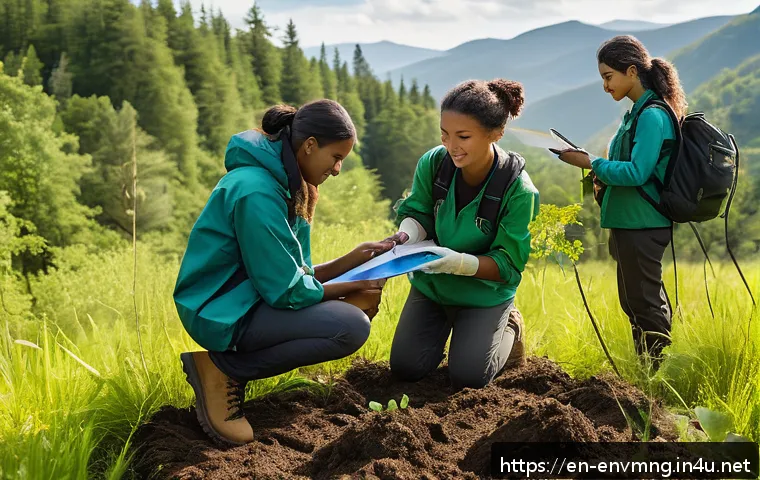
The world is rapidly shifting toward sustainable practices, making environmental management careers more vital than ever. With climate change and resource conservation dominating headlines, now is the perfect time to explore this dynamic field.

Whether you’re just starting out or looking to pivot, understanding the key skills and insider tips can set you apart in a competitive job market. I’ve gathered firsthand insights to help you navigate this evolving landscape and unlock your potential.
Let’s dive into what it really takes to thrive in environmental management today.
Building a Strong Foundation with Essential Environmental Knowledge
Understanding Core Environmental Concepts
Getting a grip on fundamental environmental science principles is crucial before diving into any management role. This means familiarizing yourself with ecosystems, biodiversity, pollution types, and sustainability frameworks like the circular economy.
When I first started, I found that without this grounding, it was easy to get overwhelmed by technical jargon or miss key regulatory details. Take the time to study how natural systems work and interact with human activity.
This foundational knowledge makes it easier to interpret environmental impact assessments or develop effective conservation strategies later on.
Regulatory Frameworks and Compliance Basics
One thing that stood out early in my career was the importance of knowing local, national, and international environmental laws. Regulations like the Clean Air Act, Water Pollution Control laws, or international agreements such as the Paris Accord often shape what companies can and cannot do.
Having a solid understanding of these rules not only ensures compliance but also helps in crafting proactive policies that avoid costly penalties. I recommend subscribing to environmental law newsletters or attending webinars that break down recent regulatory changes—these keep you ahead of the curve and boost your credibility with employers.
Developing Analytical and Research Skills
Environmental management isn’t just about policy; it involves a lot of data interpretation and problem-solving. When I worked on a waste management project, I realized how critical it was to analyze data trends accurately and present findings clearly to non-technical stakeholders.
Learning how to use tools like GIS mapping, statistical software, or environmental modeling can drastically improve your effectiveness. The ability to translate complex data into actionable insights is a skill highly sought after in this field, so investing time in these analytical tools pays off handsomely.
Mastering Practical Skills for Real-World Impact
Project Management in Environmental Initiatives
Managing projects effectively is a game-changer in environmental careers. From coordinating community cleanups to overseeing corporate sustainability programs, strong organizational skills help ensure success.
Personally, using project management software like Asana or Trello helped me keep track of deadlines, assign tasks, and communicate clearly with team members.
It’s also critical to develop budgeting skills since many environmental projects have strict financial constraints. Employers value candidates who can juggle multiple priorities without sacrificing quality or compliance.
Communication and Stakeholder Engagement
Environmental managers often serve as liaisons between technical experts, government agencies, and the public. Early on, I learned that tailoring your message to different audiences makes a huge difference.
For example, explaining technical findings to a community group requires a very different approach than discussing policy with regulators. Being able to create clear reports, compelling presentations, and engaging social media content can elevate your impact.
Don’t underestimate the power of storytelling to inspire action and build trust among stakeholders.
Hands-On Experience through Internships and Volunteering
Nothing beats real-world experience when preparing for a career in environmental management. I found that internships with local environmental nonprofits or government agencies provided invaluable insights into daily operations and challenges.
Volunteering for conservation projects or citizen science initiatives also builds practical skills and expands your professional network. These experiences often expose you to unexpected opportunities and help clarify your career goals.
If you’re serious about this field, seek out roles where you can get your hands dirty and learn by doing.
Leveraging Technology to Enhance Environmental Solutions
Adopting Innovative Tools and Software
Technology is reshaping how environmental challenges are addressed, from drone-based wildlife monitoring to AI-driven pollution tracking. Early in my journey, I was amazed at how software like ArcGIS or remote sensing platforms could provide insights that traditional methods missed.
Staying current with emerging tech not only makes your work more efficient but also positions you as a forward-thinking candidate. Experimenting with data visualization and environmental modeling tools can open doors to specialized roles in tech-driven sustainability projects.
Using Data for Informed Decision-Making
Environmental decisions must be backed by solid evidence, and data is at the heart of this process. I’ve seen firsthand how accurate data collection and analysis can shift a company’s sustainability strategy for the better.
Whether it’s tracking energy consumption or monitoring soil quality, precise data helps identify risks and opportunities. Learning to interpret big datasets and turning them into clear recommendations is an invaluable skill.
Additionally, familiarity with reporting standards like GRI or CDP enhances transparency and accountability in your work.
Integrating Digital Communication for Wider Reach
In today’s connected world, digital communication tools amplify environmental messages exponentially. From managing social media campaigns to creating educational videos, leveraging digital platforms can mobilize communities and stakeholders quickly.
When I coordinated a local recycling awareness drive, using targeted Facebook ads and Instagram stories boosted participation dramatically. Understanding SEO basics and content marketing also helps spread sustainability initiatives beyond traditional circles.
Being tech-savvy in communication adds a powerful dimension to environmental management.
Networking and Professional Growth Strategies
Building Relationships within the Environmental Community
Networking isn’t just about job hunting; it’s about immersing yourself in a community that shares your passion. Joining professional associations like the Environmental Management Association or attending conferences can lead to mentorship opportunities and collaborations.
I recall meeting a seasoned environmental consultant at a conference who later became a key advisor in my career. These connections often provide insider knowledge about job openings and industry trends that you won’t find online.
Building genuine relationships over time is essential for long-term success.
Continuing Education and Certification Paths
The environmental field is constantly evolving, and staying updated through certifications and courses is critical. Programs like the Certified Environmental Professional (CEP) or LEED accreditation can significantly boost your resume.
I personally found that taking specialized workshops on environmental auditing or sustainability reporting gave me a competitive edge. Many employers view these certifications as proof of your commitment and expertise.
Plus, ongoing education keeps you motivated and informed about new best practices and technologies.
Personal Branding and Online Presence

In a competitive job market, how you present yourself online can make or break opportunities. I learned early on to curate a LinkedIn profile that highlighted my environmental projects, skills, and endorsements.
Sharing articles, commenting on industry news, and publishing blog posts helped me establish credibility. Potential employers often check candidates’ digital footprints, so maintaining a professional yet approachable online persona is key.
Investing time in personal branding can lead to unexpected offers and invitations to speak or collaborate.
Understanding Industry Sectors and Career Opportunities
Exploring Corporate Sustainability Roles
Many companies now have dedicated sustainability teams focused on reducing environmental impact and improving social responsibility. These roles often involve strategy development, reporting, and stakeholder engagement.
I found that working in corporate sustainability requires balancing business goals with environmental ethics, which can be challenging but rewarding. Familiarity with ESG (Environmental, Social, Governance) metrics is highly valuable here.
If you enjoy blending environmental science with business strategy, this sector offers diverse opportunities.
Government and Regulatory Positions
Public sector jobs in environmental management involve enforcing laws, developing policies, and managing public lands or resources. I’ve met many professionals who appreciate the stability and impact that come with government roles.
These positions often require a strong understanding of legal frameworks and excellent communication skills to liaise with multiple agencies and the public.
Entry points include environmental analyst roles, regulatory compliance officers, or conservation planners. Being detail-oriented and patient with bureaucracy is essential in this path.
Nonprofit and Community-Based Careers
Working for environmental nonprofits or community organizations offers a chance to make tangible local impact. These roles might focus on education, advocacy, habitat restoration, or grassroots organizing.
From my experience volunteering with nonprofits, I saw how passionate teams drive change through creativity and resilience despite limited resources. Jobs in this sector often require flexibility, fundraising skills, and a genuine commitment to social and environmental justice.
It’s an ideal route if you want hands-on work and direct community engagement.
Key Competencies to Highlight in Your Job Application
Demonstrating Problem-Solving and Critical Thinking
Employers want candidates who don’t just identify environmental problems but propose practical solutions. When describing your experience, emphasize situations where you analyzed challenges, considered alternatives, and implemented effective actions.
I once tackled a waste disposal issue by suggesting a new sorting system that reduced landfill waste by 30%. Concrete examples like this show you’re proactive and results-driven.
Highlighting your ability to think critically and adapt to changing circumstances is a major plus.
Showcasing Teamwork and Leadership
Environmental projects often require collaboration across disciplines and sectors. Sharing stories where you successfully led a team or contributed as a reliable member can make your application stand out.
For instance, leading a community engagement campaign or coordinating between engineers and policymakers demonstrates both leadership and communication prowess.
I learned that even small leadership roles, like organizing meetings or mentoring interns, count. These experiences reveal your interpersonal skills and readiness for bigger responsibilities.
Highlighting Technical and Digital Proficiencies
Technical skills related to environmental management tools are increasingly important. Whether it’s proficiency in environmental software, data analysis, or report writing, clearly listing these competencies can catch recruiters’ eyes.
In my early applications, I noticed that including specific software skills like AutoCAD for site planning or Excel for data manipulation made a difference.
Also, showcasing digital literacy in communication or project management tools signals that you’re comfortable with modern workflows. Tailor these skills to the job description for maximum impact.
| Skill Category | Examples | Why It Matters |
|---|---|---|
| Environmental Knowledge | Ecosystems, Pollution Types, Sustainability Models | Foundation for understanding challenges and solutions |
| Regulatory Understanding | Clean Air Act, Paris Agreement, Local Laws | Ensures compliance and proactive policy development |
| Technical Skills | GIS, Data Analysis, Environmental Modeling | Enables precise impact assessments and planning |
| Project Management | Budgeting, Scheduling, Team Coordination | Drives efficient project execution and goal achievement |
| Communication | Reports, Presentations, Social Media | Builds stakeholder trust and promotes initiatives |
| Networking & Growth | Professional Associations, Certifications, Online Presence | Expands opportunities and demonstrates commitment |
In Conclusion
Building a solid foundation in environmental knowledge combined with practical skills is essential for a successful career in this field. Staying current with technology, regulations, and networking opportunities will keep you competitive and effective. Remember, hands-on experience and continuous learning shape not only your expertise but also your passion for making a real-world impact.
Useful Information to Keep in Mind
1. Regularly update yourself on environmental laws and policies through trusted newsletters and webinars to stay compliant and informed.
2. Develop proficiency in analytical tools like GIS and environmental modeling to enhance your decision-making and project outcomes.
3. Gain hands-on experience via internships or volunteering to deepen your understanding and expand your professional network.
4. Leverage digital platforms for communication to effectively engage communities and promote sustainability initiatives.
5. Invest in certifications and continuous education to demonstrate expertise and open doors to advanced career opportunities.
Key Takeaways
A strong grasp of environmental concepts and regulations is the backbone of effective management. Complement this with practical skills such as project management, communication, and technical proficiency to excel in diverse roles. Networking and personal branding are crucial for professional growth, while hands-on experience solidifies your understanding. Finally, embracing technology and continuous learning ensures you remain adaptable and impactful in a rapidly evolving field.
Frequently Asked Questions (FAQ) 📖
Q: uestionsQ1: What essential skills should I develop to succeed in environmental management?
A: To thrive in environmental management, focus on a blend of technical and soft skills. Key technical abilities include data analysis, knowledge of environmental regulations, and proficiency with sustainability assessment tools.
On the softer side, strong communication, project management, and problem-solving skills are crucial because you’ll often work with diverse teams and stakeholders.
From my experience, those who can translate complex environmental data into clear, actionable plans tend to stand out in this field.
Q: How can I transition into an environmental management career if I come from a different industry?
A: Transitioning is definitely possible and becoming more common as sustainability gains traction across sectors. Start by gaining relevant certifications or taking courses in environmental science, sustainability, or related fields.
Volunteering or interning with environmental organizations can also build practical experience. Networking within sustainability circles and attending industry events will open doors.
When I shifted careers, combining my previous project management skills with newly acquired environmental knowledge made the transition smoother and gave me a unique edge.
Q: What are the current trends shaping the environmental management job market?
A: Right now, the emphasis is on integrating technology with sustainability efforts—think big data for environmental impact analysis, AI-driven resource management, and renewable energy solutions.
Companies are also prioritizing circular economy practices and carbon footprint reduction strategies. From what I’ve observed, employers highly value candidates who understand these trends and can apply innovative approaches to real-world environmental challenges, making continuous learning a must to stay relevant.