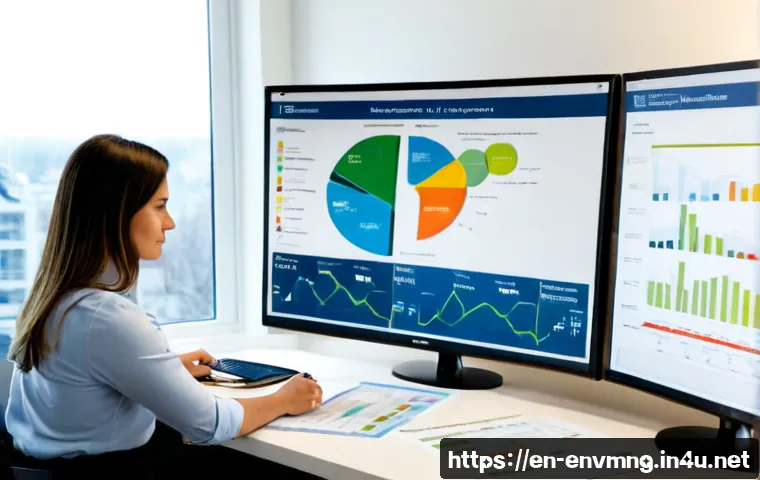
Environmental management work ranges from routine data tracking to complex compliance and ISO projects. Learn what makes it difficult, which skills matter, and when software or external consultants may be worth the cost.

Environmental management is easy to begin when a business only needs basic tracking and simple operating controls. It becomes much harder when regulations, higher-risk operations, multiple sites, customer requests, or formal audit expectations are involved.
The right approach depends less on company size alone and more on environmental exposure, data volume, and the number of people who must follow the process.
Some businesses can manage the work internally, while others benefit from environmental management software or specialist compliance consulting. The goal is not to overbuild a system, but to create reliable controls, records, and ownership that match the business’s real needs.
ISO 14001 support may be useful when a structured environmental management system or certification-related preparation is being considered.
At a Glance
- Environmental management usually includes identifying impacts, setting controls, monitoring performance, and keeping records.
- Workload rises quickly with operational risk, reporting scope, supply-chain complexity, and the number of sites.
- Internal ownership, software, and environmental consultants can each fit different levels of complexity.
| Option | Best Fit | Main Strength | Key Cost or Effort Driver |
|---|---|---|---|
| In-house coordinator | Smaller or lower-impact operations with clear responsibilities | Direct operational knowledge and day-to-day control | Staff time, training, and maintaining records consistently |
| Environmental management software | Businesses managing recurring data, actions, documents, or multiple locations | More structured tracking, reminders, and reporting workflows | Implementation effort, data setup, and user adoption |
| Environmental consultant | Complex compliance questions, ISO 14001 preparation, or limited internal capability | Specialist support for system design and review | Project scope, site complexity, and required level of support |
The Short Answer: Environmental Management Is Easy to Start but Hard to Scale Reliably
The basic idea is straightforward: understand where operations affect the environment, put controls in place, and keep evidence that those controls are working. The difficult part is doing this consistently across people, locations, suppliers, and changing business activities. A simple spreadsheet may work at the beginning, but it can become fragile when records, approvals, and reporting requests grow.
Low-Complexity Tasks Versus High-Stakes Compliance Responsibilities
Low-complexity work may include maintaining a waste log, checking water or energy records, and assigning routine housekeeping actions. Higher-stakes work can involve hazardous materials, incident response, emissions-related information, permit conditions, formal audits, or customer sustainability questionnaires. The distinction matters because an incomplete note is not the same as an incomplete record connected to an operational control.
The Three Factors That Most Often Increase Workload
First, regulatory exposure raises the need for reliable tracking and evidence. Second, operational complexity increases when a business manages production, construction activity, transport, waste streams, or several sites. Third, reporting scope expands the workload when customers, tenders, senior leadership, or external reviewers require organized information.
What Makes This Role Difficult in Real Business Operations?
Environmental management is rarely difficult because of one task. It becomes challenging when routine tasks depend on information held by several departments, each with different priorities and systems.
Regulatory Tracking, Permits, and Documentation
A business may need to understand which requirements apply to its specific activities and location. This cannot be assumed from a generic checklist. Permit terms, reporting deadlines, and enforcement exposure require local review. Good environmental compliance work turns applicable obligations into clear actions, owners, and retained records.
Collecting Accurate Waste, Energy, Water, and Emissions Data
Data collection can look simple until different invoices, contractors, facilities teams, and operational units are involved. The main risk is not only missing data; it is using figures without a clear source, timeframe, or owner. Environmental management software can help centralize records and reminders, but it does not automatically fix weak source data or unclear internal processes.
Coordinating Departments and Changing Day-to-Day Behavior
Reliable programs require input from operations, facilities, procurement, finance, health and safety, and senior leadership. Procurement may need supplier requirements. Operations may need to follow waste or spill-response procedures. Finance may hold utility information. Without practical ownership, even a well-written environmental policy can remain disconnected from daily work.
In-House Staff, Environmental Software, or a Consultant: Which Option Fits?
The best choice is usually a combination rather than an either-or decision. A business still needs internal ownership even when it uses a sustainability reporting service or external environmental consulting support.
When a Small Business Can Manage Internally
Internal management may be practical when the operation is low impact, responsibilities are clear, records are limited, and a designated employee has enough time to maintain the process. Start with a focused register of environmental aspects, controls, and evidence. Review it when activities, materials, waste arrangements, or sites change.
When External Compliance or ISO 14001 Support Adds Value
External support may add value when the business faces unclear requirements, has several locations, handles higher-risk materials, or is responding to a customer request for a structured system. ISO 14001 is an internationally used environmental management framework, but certification is not automatically required for every organization. Before requesting ISO 14001 support, clarify whether the need is system improvement, certification preparation, tender evidence, or an independent review.
Common Workflow, Risks, and Mistakes to Avoid
A workable environmental management process should be simple enough for people to use and detailed enough to show what is controlled. Complexity should follow risk, not presentation style.
Build an Environmental Aspects and Impacts Register
List the activities, materials, services, and operational conditions that may create environmental impacts. Consider routine work as well as incidents and unusual situations. This register helps a business decide where controls, monitoring, training, or supplier requirements are needed.
Assign Owners and Evidence Requirements for Each Control
For every important control, identify who does the work, what evidence is kept, where it is stored, and when it is reviewed. Examples of evidence may include contractor records, inspection notes, training documentation, utility data, or incident records. The exact evidence needed depends on the operation and applicable requirements.
Avoid Incomplete Records, Unclear Responsibilities, and Unsupported Claims
Common mistakes include relying on one person’s memory, collecting data without checking its source, and making sustainability claims that records cannot support. Do not treat a policy document as proof of implementation. Keep responsibilities visible, update procedures when operations change, and avoid presenting estimates as verified results.
Difficulty by Business Situation and Industry
Industry is a useful starting point, but site conditions and operational details matter more than the label alone.
Office-Based and Low-Impact Service Businesses
Office-based organizations may have fewer direct operational controls than industrial sites. Their work may focus on utilities, office waste, purchasing choices, supplier expectations, and requested sustainability information. The program can often stay lean, provided records and responsibilities remain clear.
Multi-Site Operations, Manufacturing, Construction, and Logistics
Manufacturing, construction, logistics, energy, food production, and waste-related operations often need more detailed controls. Multiple locations can also create version-control problems, inconsistent records, and uneven implementation. A shared environmental management platform may be worth comparing when teams need a single place for actions, documents, and performance data.
Companies Responding to Customer Questionnaires, Tenders, or Certification Requests
Customer and tender requests can turn a basic program into a documentation project. Businesses should confirm what is actually requested before buying software or commissioning a consultant. A customer may ask for a policy, performance data, supplier controls, third-party verification, or ISO 14001 certification; these are not interchangeable requirements.
Selection Criteria and Comparison Summary
Before choosing environmental management software or requesting consulting quotations, check whether the option supports the actual work:
- Can it handle your number of sites, users, records, and reporting needs?
- Does it make responsibility, document control, and action follow-up easier?
- What data must be collected internally before the tool or consultant can help?
- Is the goal routine compliance coordination, ESG reporting, ISO 14001 preparation, or customer evidence?
- Who will own the program after implementation or consulting support ends?
For software demos or environmental consulting proposals, ask providers to show how their approach handles your real workflows, existing records, and internal responsibilities. The minimum internal resource is a named owner with access to operations and enough authority to request information and follow up on actions.
Closing Thoughts
Environmental management work is manageable when it is matched to the business’s actual impacts and risks. It becomes difficult when a company tries to meet expanding expectations with unclear ownership and scattered evidence. Start with the operational basics, then add software, training, or specialist support when the workload and risk justify it. A reliable system is usually more useful than a complicated one that no one maintains.
Useful Things to Know
ISO 14001 is a framework for environmental management systems, not an automatic requirement for every business. Data quality is often as important as data quantity. Supplier requirements may need attention when purchasing decisions affect materials, waste, or customer expectations. A system should be reviewed whenever operations, locations, materials, or customer requirements change.
Important Considerations
This overview does not determine legal obligations, permit requirements, reporting deadlines, certification needs, or environmental risk for a specific organization. These depend on the business location, activities, materials, waste streams, contracts, and applicable local requirements. Confirm the relevant requirements before relying on a template, software platform, or consulting proposal.
Frequently Asked Questions
Q1. Is environmental management difficult for a small business?
A1. It can be manageable internally when operations are low impact and responsibilities are clear. It becomes more demanding when the business has complex waste, hazardous materials, multiple sites, detailed customer requests, or significant reporting needs.
Q2. Do all businesses need ISO 14001 certification?
A2. No. ISO 14001 is widely used, but certification is not automatically required for every organization. Check customer contracts, tender conditions, business goals, and relevant operational requirements before deciding.
Q3. What should be included in a software demo or consulting quotation request?
A3. Provide a neutral summary of sites, activities, existing records, data sources, reporting needs, and intended outcomes. Ask how the provider handles document control, action tracking, user responsibilities, implementation support, and ongoing ownership.