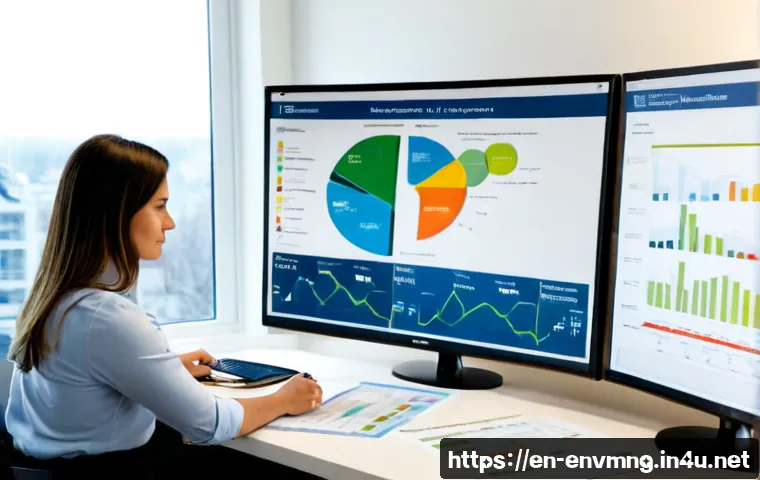
Environmental management specialists help organizations measure environmental impacts, manage compliance work, improve resource efficiency, and support sustainability goals.

Learn the core responsibilities, useful skills, and when internal hiring or external consulting may be the better fit.
Environmental management specialists help businesses organize environmental compliance work, track operational impacts, and support sustainability reporting.
The right support model depends on the organization’s risks, internal capacity, reporting needs, and the complexity of its operations. A full-time specialist can provide continuity when environmental tasks are ongoing and closely tied to daily operations.
An environmental consultant can be useful when a business needs focused expertise, an external review, or temporary project support. Environmental management software can improve data collection and reporting workflows, but it still requires clear ownership and reliable input.
Job seekers and employers should look beyond a job title and define the actual responsibilities, decision authority, and resources involved.
At a Glance
- Hire a specialist when environmental compliance, operational data, and improvement work require ongoing internal ownership.
- Use environmental consulting support when the need is project-based, highly specialized, or requires an outside perspective.
- Use a software platform when data collection, document control, and reporting coordination need a more consistent system.
| Support Option | Best Fit | Main Strength | Key Limitation |
|---|---|---|---|
| In-house environmental management specialist | Organizations with recurring environmental tasks and operational complexity | Direct control, continuity, and closer coordination with internal teams | Requires a clear role, sufficient authority, and long-term internal investment |
| Environmental compliance consultant | Businesses needing targeted guidance, audit preparation, or temporary capacity | Specialized knowledge and flexible project support | May have less day-to-day visibility into internal operations |
| Environmental management software | Teams managing recurring data, records, questionnaires, or reporting cycles | Improves structure for data tracking and document workflows | Cannot replace accountable people, sound procedures, or qualified review |
What This Role Contributes to a Business
An environmental management specialist helps turn broad environmental commitments into organized, repeatable business practices. The role may focus on compliance, environmental performance, sustainability reporting, or a combination of these areas. Its exact scope varies by industry, organization size, operational footprint, and local requirements.
Compliance, Environmental Performance, and Reporting Coordination
In practical terms, the role often supports three connected areas:
- Compliance coordination: monitoring applicable permits, records, internal procedures, and compliance-related deadlines.
- Environmental performance: identifying opportunities to improve resource use, waste practices, operational controls, and corrective actions.
- Reporting coordination: gathering data and supporting internal or external sustainability, customer, or ESG reporting requests.
A compliance-focused role may spend more time on documentation, procedures, and risk tracking. An operations-focused role may work closely with facilities, production, maintenance, logistics, or site managers. An ESG and reporting-focused role may concentrate on data quality, supplier information, stakeholder requests, and reporting calendars.
Where the Role Fits Within Operations, Facilities, Procurement, and Leadership Teams
Environmental management is rarely a one-person function. A specialist usually works across departments because environmental information is created in many places. Facilities teams may hold utility or maintenance records. Operations teams may control process-level data. Procurement may need to review supplier expectations. Leadership teams may need concise summaries of material risks, progress, and decisions.
The specialist’s value often comes from connecting these groups. They can clarify who owns a data point, where a document belongs, when an issue should be escalated, and how a finding should become an operational action. Without this coordination, even a well-intentioned sustainability initiative can become a collection of disconnected spreadsheets and incomplete claims.
Common Deliverables, From Environmental Data Tracking to Improvement Plans
Typical deliverables can include environmental data trackers, internal procedures, document registers, risk inventories, training materials, supplier review questions, corrective-action logs, and management summaries. In some organizations, the specialist may also coordinate preparation for an environmental audit or help organize responses to client sustainability questionnaires.
The deliverable itself is not the goal. The useful outcome is a system that lets the business identify issues early, maintain records consistently, and make decisions based on information that can be explained and checked.
Core Responsibilities and the Skills Behind Them
Environmental management work combines practical organization, analytical thinking, communication, and an understanding of how business operations create environmental impacts. A strong specialist does not simply collect information. They help teams use it responsibly.
Monitoring Environmental Risks, Permits, Records, and Internal Procedures
A core responsibility is maintaining visibility over environmental risks and obligations relevant to the organization. This can involve tracking permits, supporting required records, reviewing internal controls, and flagging gaps that need attention. Requirements differ by jurisdiction and activity, so businesses should confirm what applies to their own operations rather than assume one approach fits every location.
Useful skills include document control, attention to detail, process mapping, and the ability to distinguish between a routine issue and one that needs escalation. Where legal advice, licensed engineering input, or independent assurance is required, an environmental management specialist does not automatically replace those professionals.
Collecting and Interpreting Energy, Waste, Water, and Emissions-Related Data
Environmental data may come from facilities, invoices, operational logs, waste service records, procurement systems, and supplier communications. The specialist may coordinate collection of energy, waste, water, or emissions-related information and check whether the data is complete, consistent, and traceable.
Data interpretation matters as much as data collection. A useful process asks: What does the number represent? Who owns it? What period does it cover? Can the source be verified? Has the method changed? These questions help prevent reporting errors and unsupported environmental statements.
Organizations considering ESG reporting software should look for tools that make sources, approvals, reporting periods, and changes easier to manage. Software can provide structure, but it cannot determine whether an incomplete or poorly defined input is reliable.
Supporting Supplier Reviews, Employee Training, and Corrective-Action Programs
Environmental expectations may extend beyond a single site or department. A specialist may support supplier reviews by helping procurement teams ask relevant questions, organize responses, and identify where further follow-up is needed. They may also assist with employee training when procedures depend on consistent day-to-day actions.
Corrective-action programs are another common area. When an internal review, customer request, or environmental audit identifies a gap, the specialist can help assign an owner, define an action, maintain evidence, and follow up on completion. The most effective approach is practical: actions should fit the way people actually work.
Communicating Findings to Managers, Auditors, Clients, and Other Stakeholders
Environmental information often needs to be translated for different audiences. A site manager may need a direct action list. Senior leadership may need a concise risk and progress summary. A client may need a clear response to an ESG questionnaire. An auditor may require organized supporting records.
This makes communication a central skill. Strong environmental management professionals explain what is known, what remains uncertain, who is responsible, and what should happen next. They avoid presenting assumptions as verified facts.
In-House Specialist vs Environmental Consultant vs Software Platform
The best option is not always a permanent hire or a large consulting engagement. The useful question is: What work must happen repeatedly, what expertise is missing, and who will own the outcome?
When a Full-Time Role Can Create More Value
An in-house environmental management specialist may create more value when the organization has recurring compliance tasks, multiple operational teams, continuing environmental data needs, or a steady flow of customer and supplier requests. Internal ownership can make it easier to maintain procedures, build relationships with site teams, and follow corrective actions through to completion.
This approach works best when the specialist has defined responsibilities, access to necessary information, and enough organizational support to coordinate across departments. Hiring without setting decision authority or data ownership can leave the person responsible for outcomes they cannot control.
When Outsourced Audit or Compliance Support Is More Practical
Environmental compliance consulting can be practical for a business with limited internal capacity, a specific project, a new reporting requirement, or a need for independent perspective. External support may also help a team develop a starting framework before deciding whether a permanent position is necessary.
Before requesting proposals for corporate environmental audit services or consulting support, define the problem clearly. Is the need a gap assessment, documentation cleanup, training support, reporting preparation, supplier review, or ongoing advisory work? A vague brief makes it harder to compare service scope fairly.
Consulting support should also include a handover plan. If the consultant creates a register, workflow, or reporting process, someone inside the business should be prepared to maintain it after the engagement ends.
What Environmental Management Software Can and Cannot Solve
Environmental management software may help centralize records, establish reporting calendars, track data requests, and improve visibility across locations or departments. For businesses responding to repeated ESG questionnaires or managing a growing volume of environmental documentation, a platform can reduce manual coordination.
However, software is not a substitute for environmental judgment, operational participation, or a defined governance process. It will not solve unclear metrics, missing source data, unassigned responsibilities, or unsupported claims. A platform is most valuable when the organization already knows what it needs to track, why it matters, and who owns each input.
Practical Workflow, Risks, and Common Mistakes
A workable environmental management process does not need to begin with a complex reporting system. It should begin with a clear view of material impacts, compliance risks, internal responsibilities, and available records.
Start With a Material-Impact and Compliance-Risk Inventory
First, identify the parts of the organization that create meaningful environmental activity or exposure. This may include facilities, operational processes, transport, procurement, waste handling, water use, or energy use. Then identify the internal records, procedures, and responsible teams connected to each area.
The objective is to create a usable baseline. It should show what is already known, what documents exist, what data is missing, and which topics require further confirmation. Avoid treating the inventory as a one-time checklist; business activities and requirements can change.
Set Data Owners, Reporting Schedules, and Document Controls
Every recurring environmental data point needs an owner. This does not mean the specialist must personally collect everything. It means there should be a named person or team responsible for providing the source information, confirming its scope, and responding to questions.

Set a reporting schedule that matches the organization’s actual needs. Establish simple document controls so records can be found, reviewed, and updated without confusion. This structure is especially important when several locations, departments, or outside providers contribute information.
Avoid Incomplete Records, Unclear Metrics, and Unsupported Environmental Claims
One common mistake is tracking data without defining the method, source, reporting period, or person responsible. Another is creating a sustainability statement before the underlying evidence is ready. Both can create avoidable risk and reduce confidence in the organization’s environmental communications.
Use clear labels for estimates, assumptions, incomplete inputs, and items awaiting confirmation. If a business plans to make public environmental claims, it should ensure the statements are appropriately supported and seek suitable professional guidance where needed.
Review Progress Regularly and Turn Findings Into Operational Actions
Data collection alone does not improve environmental performance. Review the information regularly, identify trends or gaps, and turn findings into assigned actions. A corrective-action log can be useful when it records the issue, owner, deadline, supporting evidence, and current status.
The review should be proportionate to the business. A smaller organization may need a straightforward periodic review. A facility-heavy organization may require closer coordination among operations, facilities, and leadership teams.
Role Requirements by Organization Type
Environmental management responsibilities should reflect the organization’s real activities, not a generic job description. The right role design for a small office-based company may be very different from the right design for a company with facilities, vehicles, suppliers, or complex operations.
Small Businesses With Limited Internal Compliance Capacity
Small businesses may not need a full-time environmental hire immediately. They may benefit from a defined internal owner supported by targeted environmental consulting when a gap assessment, compliance review, or customer request requires additional expertise.
The priority is clarity. Even a lean team should know where records are kept, who responds to environmental questions, and when specialist advice is needed. A modest but maintained process is more useful than an ambitious system no one owns.
Manufacturers, Construction Firms, Logistics Operators, and Facility-Heavy Organizations
Organizations with operational sites, equipment, materials, transport activity, or multiple facilities may need closer environmental coordination. Their internal role may need to work frequently with site managers, maintenance teams, contractors, procurement staff, and operational leadership.
In these settings, an in-house specialist may be particularly useful when the work is continuous. Still, the required expertise, authority, and licensing considerations must be evaluated based on the relevant activities and jurisdiction.
Companies Responding to Customer ESG Questionnaires or Supplier Requirements
Customer questionnaires can create significant administrative pressure when requests arrive from several clients at different times. A reporting-focused environmental management specialist can help organize responses, maintain evidence, identify data owners, and reduce repeated work.
For this use case, ESG reporting software may be worth evaluating if it improves document retrieval, response consistency, approval workflows, and reporting coordination. A platform should be assessed against the business’s actual questionnaire volume and data complexity, not just its list of features.
Growing Businesses Preparing for Formal Reporting, Audits, or Certifications
Growing businesses may need stronger processes before pursuing formal reporting, audits, or certifications. The immediate need may be to organize records, assign governance responsibilities, and document how data is collected and reviewed.
External audit support or consulting can help identify readiness gaps, but management should confirm which services are appropriate and whether any independent or licensed role is required. Preparation should focus on building a maintainable internal process rather than only passing a single review.
Selection Criteria and Comparison Summary
Compare service scope, reporting needs, and total operating cost before selecting support. The best choice is the one that gives the business enough expertise and structure without creating a system that cannot be maintained.
Questions to Ask When Hiring an Environmental Management Specialist
- Which environmental responsibilities will this person own, coordinate, or only support?
- Will the role focus primarily on compliance, operations, ESG reporting, or a mix of these areas?
- Which teams must provide data, documents, or operational input?
- What decision authority and escalation path will the specialist have?
- Does the role require knowledge of a specific industry, facility type, or reporting process?
Questions to Ask Before Requesting Consulting Proposals
- What specific problem should the consultant solve?
- What deliverables, timeline, and handover materials are expected?
- Which internal employees will provide records and approve decisions?
- Does the engagement require specialized, licensed, legal, or independent assurance support?
- How will the organization maintain the process after the consulting work is complete?
How to Compare Scope, Expertise, Reporting Tools, and Total Cost
Do not compare options only by the headline cost. Consider the internal time needed to provide information, manage the process, implement actions, and maintain records afterward. A low-cost software platform may still require substantial internal effort. A consulting engagement may be efficient for a narrow project but less suitable for continuous operational ownership.
When reviewing environmental management software, look at data ownership, document controls, reporting flexibility, workflow visibility, access permissions, and the ability to retain source evidence. For consulting or staffing options, examine relevant expertise, defined scope, communication methods, and the practical transfer of knowledge to internal teams.
A Final Checklist for Choosing the Right Level of Support
- Workload: Is environmental work occasional, project-based, or ongoing?
- Risk: Are there operational, compliance, client, or reporting risks that need closer management?
- Ownership: Is there a named internal person responsible for data and follow-through?
- Expertise: Does the business need general coordination or specialized external knowledge?
- Systems: Are spreadsheets and shared folders still workable, or is a software platform needed?
- Continuity: Can the organization maintain the process after a consultant or initial project ends?
For software, staffing, or consulting options, review the provider’s official scope details, implementation expectations, and service conditions before making a selection.
Conclusion
Environmental management specialists provide value by bringing structure to compliance work, environmental data, operational improvement, and sustainability reporting. Their role is most effective when responsibilities are clear and other departments participate in the process. Some organizations need a permanent internal owner, while others need focused environmental consulting or better reporting tools. The choice should reflect the organization’s activities, internal capacity, and the work that must continue after the initial project.
Useful Information to Keep in Mind
1. A job title does not define the full role. Responsibilities should be written around actual operational and reporting needs.
2. Data needs an owner. Reliable reporting depends on clear accountability for every recurring input.
3. Software supports a process. It cannot create reliable data or decision-making authority on its own.
4. Consultants should leave usable systems behind.
A practical handover can be as valuable as the initial assessment.
5. Environmental claims require care. Statements should be supported by records and appropriate review.
Important Notes
Environmental job titles, authority levels, certifications, licensing requirements, reporting obligations, and daily tasks vary by industry, organization size, jurisdiction, and environmental activity. Salary ranges, consulting fees, audit costs, and software pricing should be confirmed directly with employers or providers. An environmental management specialist does not automatically replace legal counsel, licensed engineers, or independent auditors when those roles are required.
Frequently Asked Questions
Q1. What does an environmental management specialist do on a typical day?
A1. Typical work may include reviewing environmental records, coordinating data collection, following up on internal actions, supporting procedures and training, responding to stakeholder questions, and preparing summaries for managers or reporting processes. The daily mix depends on whether the role is focused on compliance, operations, ESG reporting, or another area.
Q2. Is it better for a small business to hire an environmental specialist or use a consultant?
A2. It depends on how often the work occurs and how complex it is. A consultant may be practical for a defined review, a customer requirement, or a short-term compliance project. A dedicated internal specialist may be more appropriate when environmental coordination, data collection, and operational follow-up are ongoing.
Q3. What qualifications should companies look for when hiring for environmental management?
A3. Companies should first define the work required, then look for relevant environmental knowledge, analytical ability, documentation discipline, communication skills, and familiarity with the organization’s industry or operating environment. Certification, licensing, and reporting requirements should be confirmed based on the applicable jurisdiction and activities involved.