
In today’s rapidly evolving world, sustainability isn’t just a buzzword—it’s a necessity driving real change across industries. As climate concerns intensify and consumers demand greener practices, businesses are stepping up with innovative environmental management strategies that truly make a difference.
I’ve seen firsthand how practical, well-executed approaches can transform operations while benefiting the planet. This post dives into compelling case studies that showcase these successes, offering insights and inspiration for anyone eager to contribute to a sustainable future.
Stick around to discover how real-world examples are unlocking lasting impact and shaping tomorrow’s eco-conscious landscape.
Innovative Waste Reduction Techniques in Manufacturing
Lean Manufacturing Principles Driving Sustainability
Many companies have embraced lean manufacturing as a powerful tool to minimize waste and improve efficiency. By streamlining processes and eliminating non-value-added activities, manufacturers reduce material consumption and energy use.
From my experience visiting factories that implemented these principles, I noticed how small changes—like optimizing inventory levels or adjusting machine setups—can drastically cut down scrap rates.
This not only lowers operational costs but also significantly reduces landfill contributions, showcasing that profitability and sustainability can go hand in hand.
Closed-Loop Systems: Turning Waste Into Resources
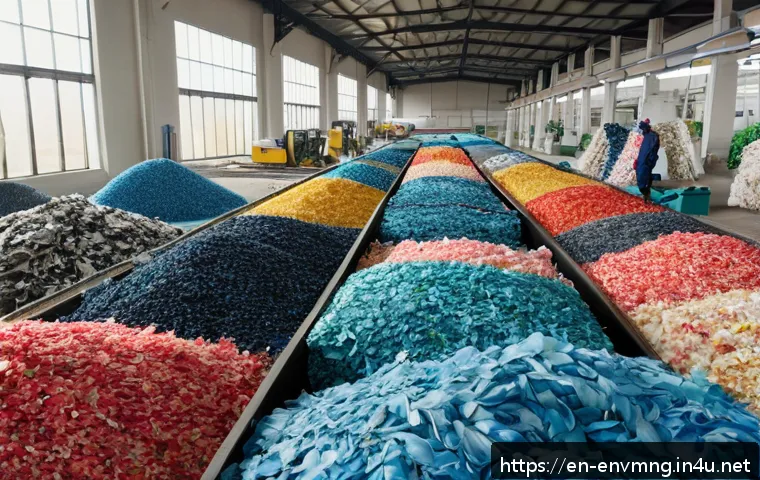
Closed-loop recycling systems have gained momentum as a sustainable practice in industries like electronics and textiles. These systems capture by-products or end-of-life materials and reintegrate them into production cycles.
I once saw a textile plant that converted fabric scraps into insulation material, reducing waste disposal fees and creating a new revenue stream. This circular approach exemplifies how thinking beyond traditional linear models can transform waste management from a cost center into an opportunity for innovation and environmental stewardship.
Digital Tools Enhancing Waste Tracking and Reduction
The adoption of digital tracking platforms has revolutionized how companies monitor waste streams. Real-time data collection and analytics enable quick identification of waste hotspots, allowing teams to intervene promptly.
In one case, a food processing company implemented IoT sensors to track organic waste, leading to a 25% reduction within six months. These digital innovations provide actionable insights, making sustainability goals more achievable and measurable than ever before.
Energy Efficiency Breakthroughs in Corporate Facilities
Smart Building Technologies Lowering Energy Demand
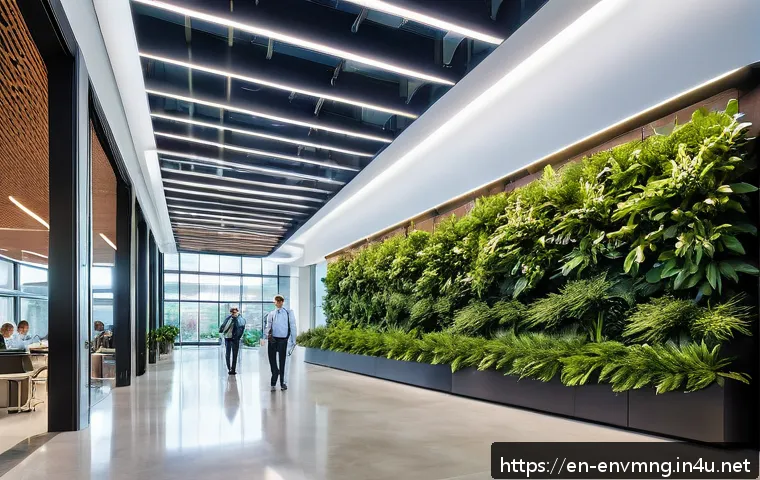
Smart sensors and automated control systems are reshaping energy management in office buildings and factories alike. I’ve observed how adaptive lighting and HVAC systems adjust based on occupancy and external conditions, significantly cutting energy waste.
Companies report reductions in electricity bills while enhancing occupant comfort, proving that smart energy solutions are both eco-friendly and economically sound.
Renewable Energy Integration for Operational Resilience
Integrating renewable energy sources like solar and wind into corporate energy portfolios has become a game-changer. Some organizations have even achieved net-zero energy status by combining onsite generation with efficiency measures.
Visiting a data center powered primarily by solar panels, I witnessed how such investments not only reduce carbon footprints but also shield operations from volatile energy prices, enhancing long-term sustainability.
Energy Audits as a Catalyst for Continuous Improvement
Comprehensive energy audits provide detailed insights into consumption patterns and inefficiencies. Companies that regularly conduct audits can prioritize upgrades and behavioral changes with the greatest impact.
I recall working with a manufacturing plant that used audit findings to retrofit outdated equipment, resulting in a 15% energy savings within a year. This iterative approach ensures that energy efficiency remains a dynamic and evolving priority.
Water Conservation Practices Transforming Industrial Use
Closed-Loop Water Recycling Systems
Water scarcity has pushed industries to innovate in water reuse and recycling. Closed-loop systems treat and recycle process water, dramatically cutting freshwater withdrawals.
I visited a paper mill that implemented a system capturing and reprocessing wastewater, reducing its water footprint by over 40%. These systems not only conserve vital resources but also reduce discharge costs and regulatory risks.
Rainwater Harvesting and Stormwater Management
Collecting and utilizing rainwater has become an effective strategy for reducing municipal water demand. Some facilities have installed large-scale harvesting systems to supply irrigation, cooling towers, or cleaning processes.
From what I’ve seen, combining rainwater harvesting with green infrastructure like permeable pavements also mitigates stormwater runoff, benefiting local ecosystems while lowering operational expenses.
Employee Engagement in Water-Saving Initiatives
Sustainability efforts succeed best when employees are actively involved. Companies that run awareness campaigns and incentivize water conservation behaviors see measurable reductions.
At one industrial site I worked with, simple measures like fixing leaks promptly and promoting responsible water use saved thousands of gallons monthly.
These cultural shifts foster a sense of shared responsibility that amplifies technical solutions.
Supply Chain Sustainability and Ethical Sourcing
Partnering with Green Suppliers
Sustainable supply chains start with selecting partners committed to environmental stewardship. I’ve encountered companies that evaluate suppliers based on carbon footprints, resource efficiency, and labor practices.
This vetting ensures that sustainability goals cascade beyond corporate walls, promoting a holistic impact. Building strong relationships with green suppliers also drives innovation and transparency throughout the value chain.
Carbon Footprint Tracking Across the Supply Chain
Advanced software tools now allow businesses to calculate emissions from raw material extraction to product delivery. I’ve worked with teams that used these insights to identify hotspots and set targeted reduction goals.
This granular visibility empowers companies to collaborate with suppliers on efficiency improvements and to communicate progress credibly to stakeholders.
Local Sourcing to Minimize Environmental Impact
Shifting to local suppliers can reduce transportation emissions and support community economies. In my experience, companies that balance cost with sustainability by prioritizing nearby sources often gain flexibility and resilience.
For example, a food distributor I know cut logistics emissions by 30% by sourcing ingredients from regional farms, while also enhancing product freshness and traceability.
Employee-Led Environmental Innovation
Green Teams Driving Grassroots Change
Employees are a powerful force for sustainability when empowered to lead initiatives. Green teams often spearhead projects ranging from waste reduction to energy conservation.
I’ve seen how these groups create momentum by organizing challenges, sharing best practices, and collaborating across departments, embedding sustainability into everyday operations.
Incentive Programs Encouraging Eco-Friendly Behaviors
Reward systems motivate employees to adopt sustainable habits. Some companies offer bonuses, recognition, or perks for reducing personal carbon footprints or contributing ideas.
From my perspective, these programs foster engagement and make sustainability a shared value rather than a top-down mandate.
Continuous Learning and Sustainability Training
Ongoing education equips employees with knowledge and skills to implement environmental strategies effectively. Workshops, webinars, and e-learning modules keep teams updated on best practices and emerging trends.
I recall participating in training sessions that sparked innovative suggestions, proving that informed employees can be catalysts for meaningful change.
Measuring Impact: Metrics and Reporting for Transparency
Key Performance Indicators (KPIs) for Environmental Goals
Setting clear KPIs helps companies track progress and hold themselves accountable. Common metrics include energy intensity, water usage per unit produced, and waste diversion rates.
I’ve helped develop dashboards that visualize these indicators, making sustainability data accessible and actionable across teams.
Third-Party Certifications and Audits
External validation through certifications like ISO 14001 or LEED adds credibility and drives continuous improvement. Companies that undergo regular audits often uncover opportunities they might miss internally.
I’ve witnessed how these certifications also enhance reputation and open doors to environmentally conscious customers and investors.
Transparent Reporting Builds Stakeholder Trust
Publishing sustainability reports aligned with frameworks such as GRI or SASB demonstrates commitment and invites dialogue. From my observations, transparent communication strengthens brand loyalty and encourages collaboration with partners who share similar values.
| Environmental Management Strategy | Industry Example | Key Benefits | Impact Measured |
|---|---|---|---|
| Lean Manufacturing | Automotive Production | Reduced material waste, improved efficiency | 15% decrease in scrap rates |
| Closed-Loop Recycling | Textile Industry | Waste repurposing, cost savings | 30% reduction in landfill waste |
| Smart Building Controls | Corporate Offices | Lower energy consumption, occupant comfort | 20% reduction in electricity use |
| Water Recycling Systems | Paper Manufacturing | Water conservation, regulatory compliance | 40% reduction in freshwater use |
| Green Supply Chain | Food Distribution | Lower emissions, local economic support | 30% reduction in transportation emissions |
In Conclusion
Innovative waste reduction and sustainability practices in manufacturing are reshaping industries worldwide. By embracing lean principles, closed-loop systems, and smart technologies, companies can significantly reduce environmental impact while boosting efficiency. These strategies demonstrate that eco-conscious operations and profitability are not mutually exclusive but mutually reinforcing goals.
Helpful Information to Know
1. Lean manufacturing not only cuts waste but also streamlines processes for higher productivity and cost savings.
2. Closed-loop recycling transforms waste into valuable resources, creating new business opportunities.
3. Digital tools provide real-time insights that make waste and energy management more precise and effective.
4. Employee involvement is crucial—engaged teams drive meaningful sustainability initiatives from within.
5. Transparent reporting and third-party certifications build trust with customers and stakeholders, enhancing brand reputation.
Key Takeaways
Effective sustainability in manufacturing requires a multi-faceted approach that combines technology, employee engagement, and strategic partnerships. Companies should prioritize continuous improvement through data-driven audits and foster a culture that values environmental responsibility. By integrating these elements, businesses can achieve measurable reductions in waste, energy, and water use while reinforcing their competitive edge in a greener economy.
Frequently Asked Questions (FAQ) 📖
Q: What are some effective environmental management strategies that businesses can implement to promote sustainability?
A: Businesses can adopt a variety of strategies to boost sustainability, such as reducing waste through circular economy practices, investing in renewable energy sources like solar or wind, and optimizing supply chains to lower carbon footprints.
For example, companies I’ve observed often start with energy audits to identify inefficiencies, then move towards greener packaging and employee engagement programs focused on sustainability.
These practical steps not only help the environment but also improve operational efficiency and brand reputation.
Q: How can real-world case studies inspire companies to adopt sustainable practices?
A: Real-world case studies provide tangible proof that sustainability initiatives work and can be profitable. When companies see peers successfully reducing costs and enhancing customer loyalty through eco-friendly actions, it builds confidence to take similar steps.
Personally, I’ve noticed that stories highlighting measurable outcomes—like a 30% reduction in energy use or increased sales after launching a green product line—resonate deeply, making sustainability feel achievable rather than abstract.
Q: What challenges do businesses face when integrating sustainability into their operations, and how can they overcome them?
A: One major challenge is balancing upfront investment costs with long-term benefits, which can deter some businesses from acting quickly. Another is navigating complex regulations and supply chain constraints.
From my experience, the key is starting small with pilot projects to demonstrate value, securing leadership buy-in, and fostering a culture that embraces change.
Collaborating with sustainability experts and leveraging technology also helps overcome hurdles, making the transition smoother and more effective.